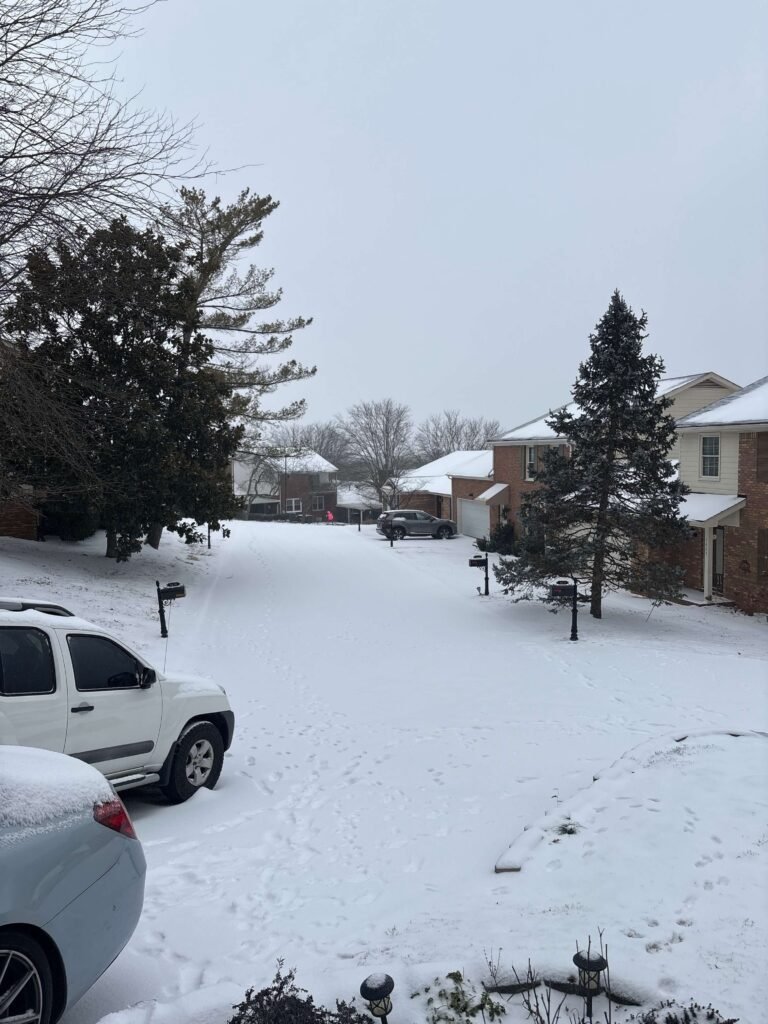
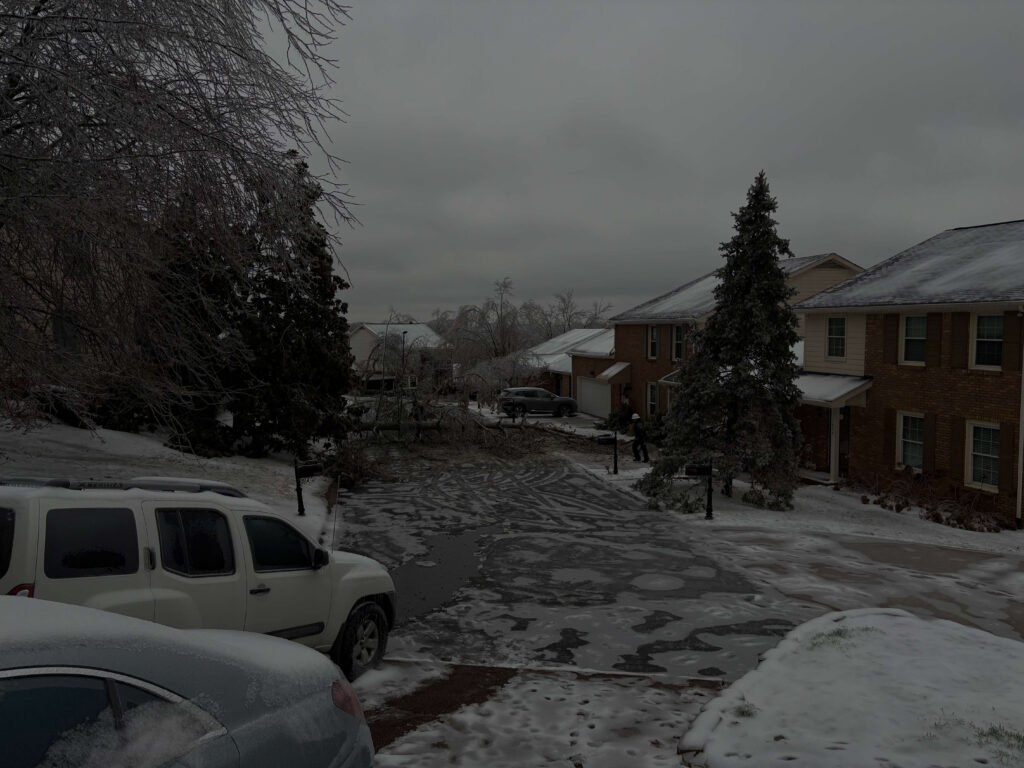
As I’m writing this, Nashville is recovering from a winter storm that has brought the city to almost a standstill. It sounds like the last time it was this bad was in 1994, thirty years ago the stories are being told.
Right now, 5 days after the initial snow turned to ice, there are still hundreds of thousands of families without power. Four deaths have been confirmed in Davidson County. Temperatures aren’t expected to get above freezing before Feb 3.
We’ve watched a beautiful, powdery snowfall quickly turn to sleet and ice by nightfall. Roads turned slick overnight and familiar streets are places you simply can’t drive without sliding. Schools closed for the week and businesses have reduced hours and shifted plans based on if employees can safely make it into work, and everyone learned once again that a Southern ice storm disrupts everything.
It may make for great memes, but the reality is not a joke. Families that stocked up on milk and bread are glad they did!
Snowstorms get all the attention, but ice is what really brings the South to a halt. It changes how you move, how you plan, and how much energy you have for anything beyond basic needs.
Which brings me back to writing and how to adjust when the unexpected wreaks your day! And as a writer trying to stay consistent, this is where writing plans tend to break down.
Why Writers Feel It First
That invisible drain is what writers run into during unexpected disruptions. The problem isn’t always lack of time. It’s the extra mental load that comes with uncertainty. When your brain is already busy monitoring weather alerts, work changes, family logistics, and basic safety, creative work becomes a burden that gets ignored.
Adjusting Your Writing Expectations During Storm Conditions
During this week’s ice storm, most people in Nashville didn’t try to live normally. They canceled appointments, stayed off the roads, and accepted that productivity would look different. Writing deserves the same seasonal intelligence.
Instead of asking, “How do I stick to my plan no matter what?” a better question is, “What kind of writing is possible right now?” This simple shift can remove a surprising amount of pressure. Writing during disruption is not about output. It’s about maintaining connection to your work so momentum doesn’t disappear entirely.
This might mean you write fewer words, but you stay mentally engaged with your story. You may not draft a chapter, but you keep writing.
Preparing for Disruption Before It Hits
One thing Southerners learn quickly is that preparation for ice storms looks different than preparation for snow. You don’t assume you’ll be able to drive. You don’t count on power staying on. You plan for limited options.
Your writing life benefits from the same kind of preparation. Having a “storm mode” writing plan makes all the difference when life turns slippery.
This could include keeping a running list of scenes you want to write so you don’t have to decide in the moment. It might mean saving prompts, questions, or notes on your phone so they’re available even if your usual setup isn’t. It could also be as simple as defining one small writing action that still counts on hard days, like rereading yesterday’s work or jotting down a paragraph by hand.
Preparation reduces friction, and friction is what stops writers during disruptions.
Redefining What It Means to Show Up
One of the biggest mistakes writers make during unexpected events is assuming that if they can’t write the way they planned, they shouldn’t write at all. That mindset is the creative equivalent of driving too fast on icy roads. It leads to complete shutdown.
Showing up during a week like this Nashville storm might look different. You may write in shorter bursts, stop sooner than usual, or switch from drafting to thinking. You might sit with your story instead of pushing it forward.
All of that still counts.
Finding Small Writing Windows Without Forcing Them
When routines are disrupted, time fragments. Instead of long, predictable blocks, you get pockets. Ten minutes while something simmers. Fifteen minutes before the next obligation.
Rather than waiting for ideal conditions to return, look for those small windows and use them intentionally. Decide ahead of time what you’ll do with ten minutes of writing energy. That decision removes the mental resistance that often keeps writers from starting at all.
Small sessions done consistently carry more weight than occasional long ones that only happen when life runs normally.
Remembering That This Is a Season, Not a Verdict
Every ice storm melts. The roads clear. Normal rhythms return, even if it takes a few days longer than planned. Writing disruptions can work the same way.
Missing a few days or adjusting your routine does not undo your progress. You don’t need to start over. You don’t need to punish yourself for adapting. You simply need to step back in when conditions improve.
The writers who finish projects are not the ones who never face disruption. They’re the ones who know how to keep going when life returns to normal.
A Final Word for Writers Weathering Real Life
If this Nashville storm has disrupted your plans, your energy, or your writing routine, let it be a reminder that we get to keep living this crazy life even when things feel out of our control. Your writing was never meant to exist outside the reality of your life. It stays with you through the unpredictable, weather and all.
Slow down when the ground is slick. Adjust your pace. Protect your momentum.
Your story is still there when you feel ready to resume the normal pace of life!