Some days, writing feels like a wide open field. Other days, it feels like a locked door with no handle. Printable journals exist for both moments. They give shape to your thoughts without boxing them in, offering just enough guidance to help you begin.
This week’s writing prompts are designed to meet you where you are. They are flexible, low pressure, and deeply creative. You do not need a finished story in mind. You only need curiosity and a willingness to explore.
These prompts work beautifully in printable journals because they invite short entries, playful experimentation, and reflection you can return to later.
Let’s step into five prompts that help you loosen your grip on perfection and reconnect with the joy of writing.
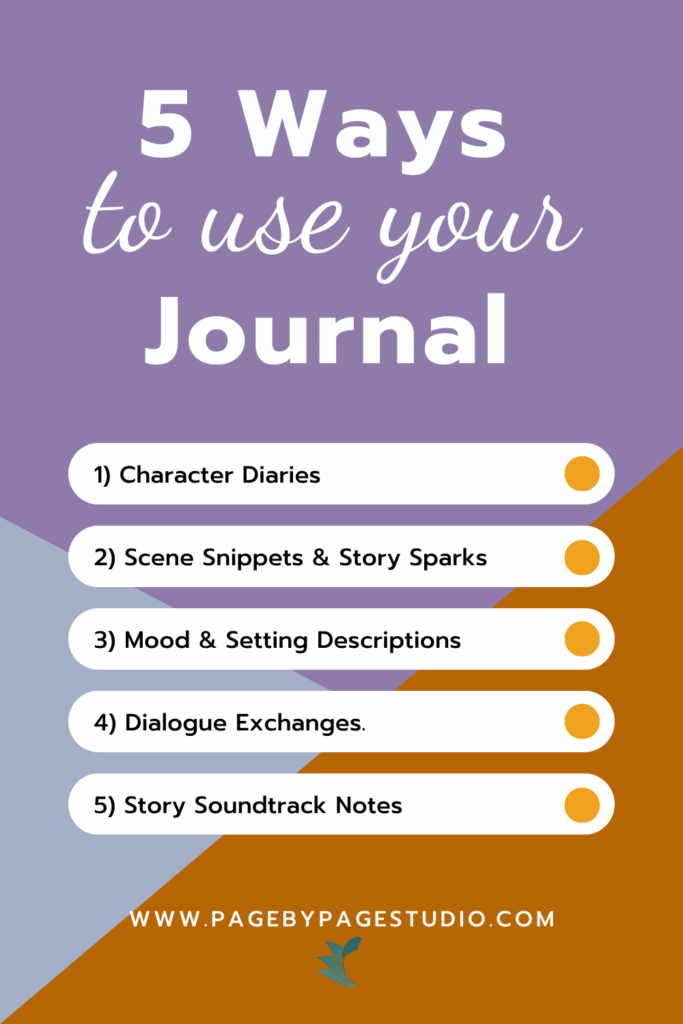
1. Character Diaries
Characters rarely reveal themselves all at once. They unfold through quiet thoughts, private fears, and moments they would never say out loud. A character diary gives you access to that inner world.
In your journal, write a diary entry from the point of view of a character. Choose a specific moment in their life. It might be an ordinary day or a turning point they do not yet recognize as important. Let them speak freely. Grammar and polish do not matter here. Honesty does.
You might explore prompts like:
- What is this character worried about today?
- What secret are they carrying?
- What do they wish someone understood about them?
Printable journals are perfect for this because you can dedicate a page to one character and return to it again and again. Over time, patterns emerge. You begin to understand how this character thinks, what they avoid, and what they long for. That understanding translates directly onto the page when you write scenes later.
2. Scene Snippets and Story Sparks
Not every scene needs a beginning, middle, and end. Some scenes exist simply to spark something.
For this prompt, write a short scene snippet. One page or even half a page is enough. Drop into the middle of a moment and stop before it resolves. Focus on action, tension, or a decision that has not been made yet.
Try starting with:
- A door opening
- An argument already in progress
- A discovery that changes the mood of the room
Scene snippets are especially helpful when you feel stuck or overwhelmed by the idea of writing a full chapter. Printable journals give you permission to write small. You can collect these sparks without forcing them into a larger structure right away. Later, you may discover that one of these fragments holds the heart of a bigger story.
3. Mood and Setting Descriptions
Setting is more than location. It is atmosphere, emotion, and memory layered together.
Choose a place and write about it through mood rather than facts. Instead of listing what the space looks like, focus on how it feels to be there. Consider light, sound, texture, and temperature. Ask yourself how this place affects the people inside it.
Prompts to explore:
- How does this setting make the character feel?
- What does the space hide or reveal?
- What memory clings to this place?
Using printable journals for setting work allows you to slow down and stay sensory. You are not rushing toward the plot. You are building a world that feels lived in. These descriptions often become anchors you can return to when a story feels thin or ungrounded.
4. Dialogue Exchanges
Dialogue carries rhythm, conflict, and subtext. It also reveals what characters want and what they are afraid to say.
In your journal, write a dialogue exchange between two characters. Skip most of the tags and descriptions. Let the voices carry the scene. You can decide later where this conversation belongs, or if it belongs anywhere at all.
Try prompts like:
- A conversation where one character avoids the truth
- An apology that is almost said
- A disagreement about something small that is really about something bigger
Printable journals make dialogue practice feel less intimidating. You are not committing this exchange to a final draft. You are simply listening. Over time, you will notice that your characters develop distinct voices, rhythms, and habits. That clarity makes writing scenes feel more natural and less forced.
5. Story Soundtrack Notes
Music has a way of unlocking emotion quickly and honestly. This prompt invites you to use sound as a storytelling tool.
Create a short soundtrack for a story, character, or scene. Write down song titles, lyrics, or even instrumental pieces that capture the emotional tone. Then journal about why each piece belongs.
Questions to explore:
- What emotion does this music stir?
- When would this song play in the story?
- What does it reveal about the character’s inner life?
This prompt works beautifully in printable journals because it blends creativity with reflection. You can return to these soundtrack notes when a scene feels flat or disconnected. Music can help you reenter the emotional space of the story with ease.
Bringing It All Together
These five journal prompts are not meant to be completed perfectly or all at once. They are invitations. You can explore one prompt a week or return to the same one whenever you need it. Printable journals support this kind of gentle consistency. They hold your ideas without judgment and remind you how far you have come.
Writing does not always require a big leap forward. Sometimes it only asks for a page, a pen, and permission to explore. Let these prompts be your guide back to the page, one thoughtful entry at a time.
If these prompts stirred something in you, our collection of printable journals and hardcover editions was created to support exactly this kind of exploration. Each journal is designed to give your ideas space to unfold, whether you love the flexibility of pintables or the grounding feel of a book in your hands. Visit our shop and find the journal that feels like an invitation to keep writing, page by page.