When you close your eyes and picture your favorite story, what comes first? Maybe it’s the sound of waves crashing against a shore, the scent of rain on pavement, or the golden light filtering through trees in a quiet town.
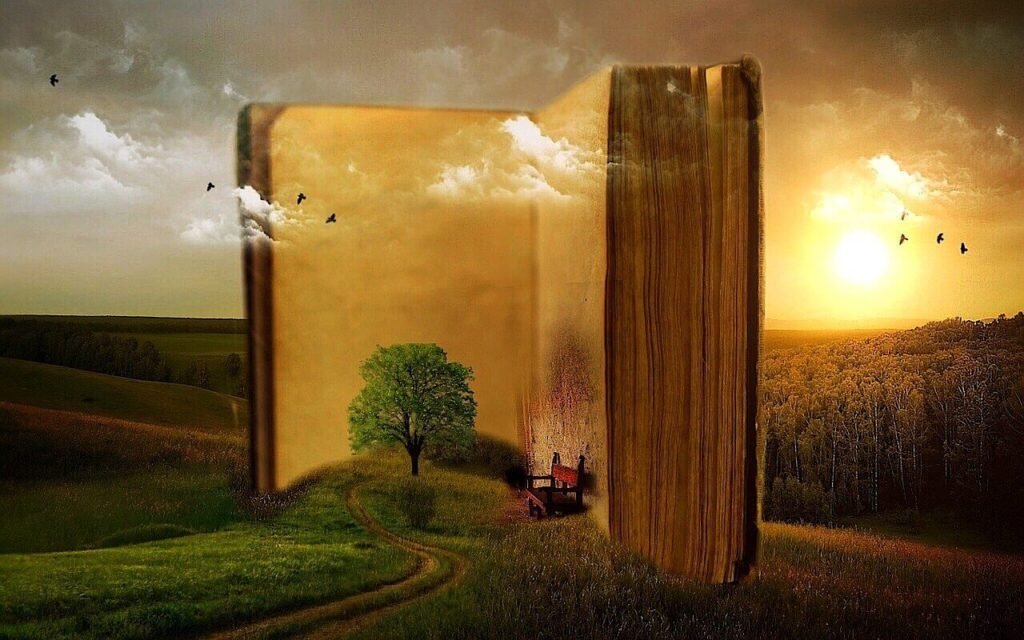
That’s the magic of setting — the place where your story breathes, moves, and lives. It’s not just where your characters exist; it’s what shapes them, tests them, and often saves them.
For beginner writers, setting is one of the most grounding (and often overlooked) parts of story creation. We rush to meet our characters, explore their goals, and plan the plot twists — but every story needs a home.
In this post, we’ll explore how to build your story world, whether it’s as familiar as your own backyard or as fantastic as another planet, with enough texture, emotion, and authenticity to pull readers in and make them stay.
Start Where You Are
When I began writing fiction again after years of personal journaling, I knew one thing for sure: I wanted my setting to reflect a place that felt like home.
For me, that’s Middle Tennessee — the rolling hills, the scent of honeysuckle on humid evenings, the mix of small-town charm and new growth that’s reshaping the region.
It’s a place I’ve fallen in love with and gives me energy every time I sit down to write. The coffee shops where people watching on the Squares still exist, the fog that settles over farmland at dawn — they all hold stories waiting to be told.
So, I began where I am.
If you’re just starting out, I encourage you to do the same. Before you try to invent a massive world or map out a kingdom, look around at the details that make your corner of the world interesting. Maybe it’s a city skyline, a dusty road, or the sound of cicadas in the summer.
Authenticity grows from familiarity. When you write from a place you know — even loosely inspired by it — you’ll naturally include details that feel true, even to readers who’ve never been there.
What is Setting, Really?
Setting is more than just location. It includes time, place, and atmosphere — the full backdrop of your story. Think of it as a stage for your characters, but one that changes and interacts with them.
A story’s setting can include:
- Geography and climate (rivers, mountains, cityscapes, weather)
- Time period (past, present, future — or an alternate version of any)
- Culture and community (language, customs, social rules, beliefs)
- Mood and tone (a haunted house feels different from a cozy cottage)
- Objects and technology (tools, vehicles, communication methods)
Even the seasons matter — fall in Tennessee feels completely different from fall in New England, not just in color but in rhythm. When you pay attention to those nuances, your story’s world starts to hum with life.
World Building Doesn’t Have to Mean Fantasy
When people hear “world building,” they often picture sprawling fantasy maps and invented languages. But world building simply means creating a believable world, whatever that world may be.
If you’re writing contemporary fiction, your “world” might be a small town, a suburban neighborhood, or an office environment. If you’re writing historical or speculative fiction, the world may require more research or imagination — but the goal is the same: make it feel real to the reader.
Here’s how to begin building your world, no matter the genre:
- Define your anchor.
Where does the story take place — and why?
If you can answer why here, you’ve found your setting’s purpose. - Sketch the sensory details.
What do characters see, smell, hear, taste, and feel in this space?
The trick is to be specific but selective — one vivid detail is worth ten vague ones. - Consider how people live.
What’s the pace of life? What do people value? What rules or routines shape daily life?
A setting feels real when it has its own logic. - Reveal the world through action.
Show setting in motion — how a character locks their door, drives to work, or reacts to the first snowfall. These small moments teach us how your world operates.
How Setting Shapes Story
Setting isn’t static — it interacts with your characters. The best stories use setting to reveal emotion, build tension, or mirror inner conflict.
- A thunderstorm might echo a character’s turmoil.
- A hometown might represent safety or stagnation.
- A desert or forest might symbolize freedom or isolation.
Ask yourself: How does this place affect the choices my character makes?
In Middle Tennessee, for example, the weather alone can be dramatic such as a sticky summer heat that slows you down, sudden storms that make you pause, the soft chill of early spring that invites reflection. I often use these elements to mirror what my character is feeling: the calm before a confrontation, or the cleansing relief after one.
When the setting moves with your character’s emotional arc, your story gains rhythm and resonance.
Layering Meaning into Place
The most memorable settings feel like characters themselves. Think about Hogwarts, the Shire, or Maycomb, Alabama. Each of these places has personality, rules, and emotional weight.
To create this effect, look for symbolism in your environment.
What does the setting mean to your protagonist?
When you embed emotional meaning in the world around your characters, your readers will feel that connection too, even if they can’t quite name it.
Practical Exercise: Building Your Setting Foundation
If you’re ready to start shaping your story world, try this simple exercise:
Step 1: Describe a Real Place You Love
Pick somewhere familiar like your hometown, favorite park, or even your kitchen. Write five sensory details about it. What does it smell like? What sounds do you hear? What small detail makes it uniquely yours?
Step 2: Twist the Reality
Now imagine one thing is different. Maybe it’s 100 years in the past, or the town is built on floating islands. How does that change what you notice?
Step 3: Add Emotion
What does this place make you feel? Comfort, nostalgia, unease, excitement? How might your main character feel here? The same or the opposite?
This is the foundation of world building: emotion + detail + perspective.
Bringing It All Together
When you approach the setting with curiosity, it becomes much more than scenery. It becomes the heartbeat of your story.
Whether your world stretches across galaxies or unfolds on a front porch in Tennessee, it has the power to transport, transform, and tell the truth about what matters most.
For me, every time I write about the hills and hollows of Middle Tennessee, I’m writing about belonging. About how roots shape who we become, even when we’re ready to grow wings.
And maybe that’s the real gift of setting. It reminds us that even as our characters chase their dreams or face their fears, there’s always a place that started it all.
Writing Prompt
Before you write your next chapter or scene, take a moment to ask:
“Where am I, and what does this place want me to feel?” Let your world whisper the answer and your story will begin to sing.